How to care for a snake plant (Sansevieria)
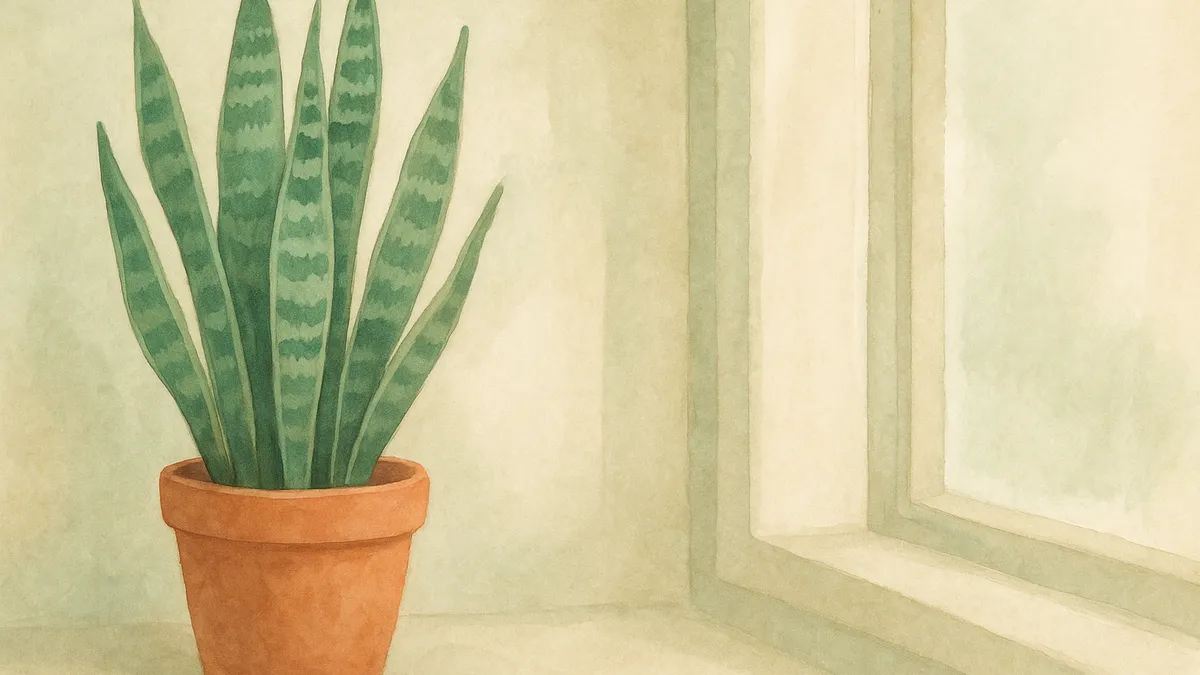
The snake plant, known botanically as Sansevieria (now sometimes classified as Dracaena), is famous for being almost impossible to kill. Its stiff, upright leaves come in striking patterns of green, silver, and gold, and it asks for very little in return. If you have ever struggled to keep a plant alive, this is the one to build your confidence on. Here is how to keep it looking its best.
Light: adaptable but happier bright
One of the reasons the snake plant is so popular is its tolerance for a wide range of light. It will survive in a dim corner and still put out the occasional new leaf, which makes it a genuine low-light champion.
That said, it does not truly love the dark. In bright, indirect light it grows faster, keeps its variegation vivid, and stays compact and upright. A few hours of gentle morning sun are welcome, but avoid long spells of harsh midday sun through glass, which can scorch the leaves.
Watering: when in doubt, wait
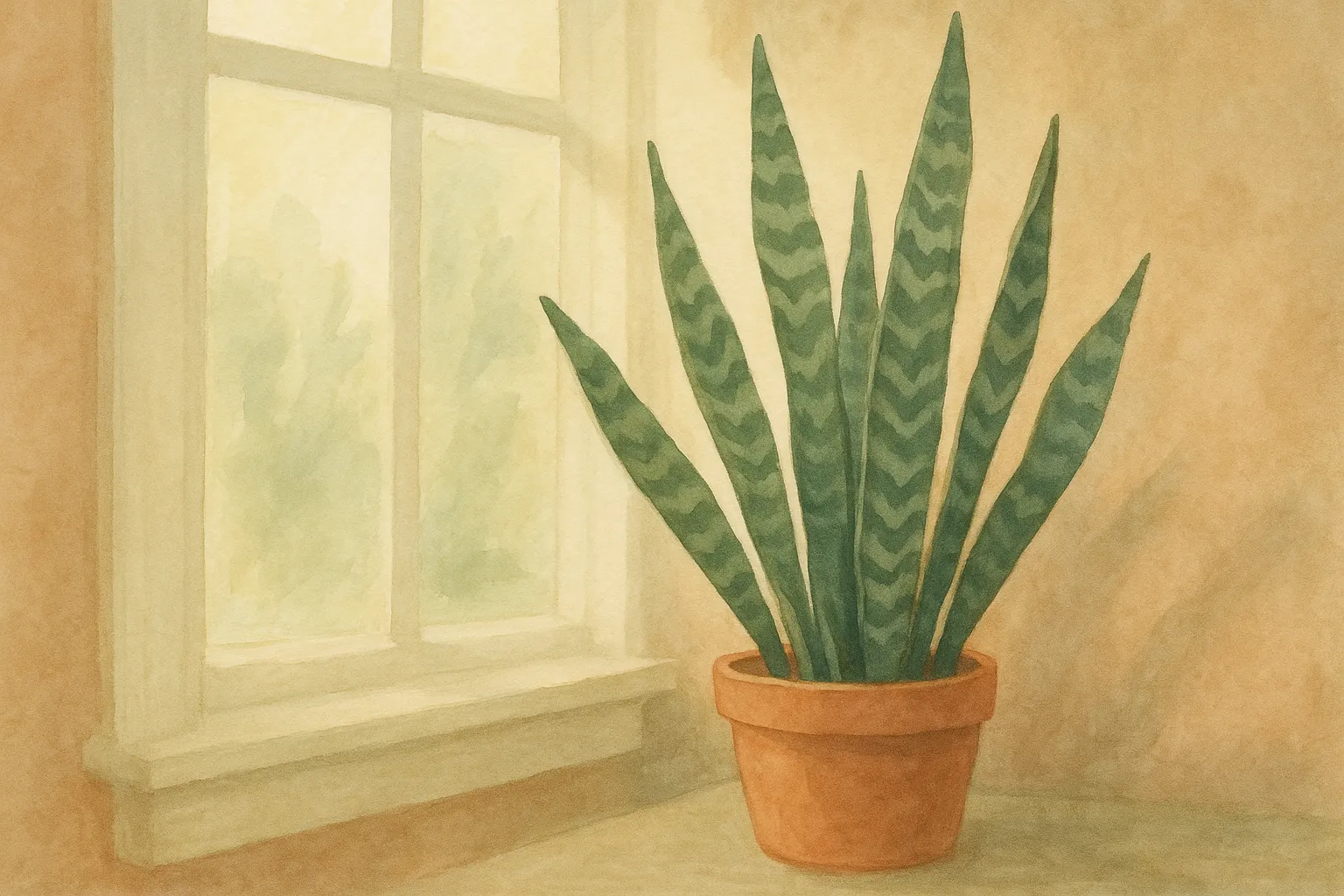
This is where most snake plants get into trouble, and the mistake is almost always too much water. The snake plant stores moisture in its thick leaves and rhizomes, so it is built to handle drought far better than soggy soil.
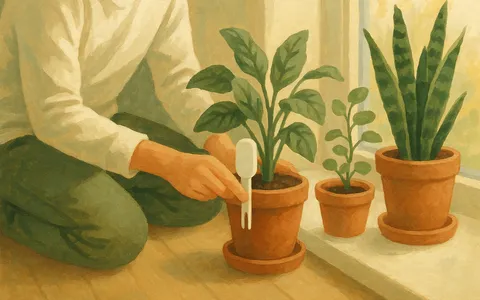
Water only when the soil has dried out completely, then water thoroughly and let it drain. Push your finger deep into the pot, and if you feel any moisture, wait. In practice that often means watering every two to three weeks in summer and as little as once a month in winter. Always empty the saucer, and never let the plant sit in water, which quickly leads to root rot.
Soil and pots
Use a free-draining mix. A standard houseplant potting soil blended with extra perlite or coarse sand works well, and a cactus and succulent mix is a great ready-made option. The goal is soil that holds a little moisture but drains fast.
A pot with drainage holes is essential. Terracotta is ideal because it wicks away excess moisture through its walls, giving you an extra margin of safety against overwatering.
When you are unsure, do not water. A snake plant survives being forgotten far better than it survives soggy soil.
Temperature
Snake plants are comfortable in normal household temperatures, roughly 18 to 27 degrees Celsius. They dislike the cold, so keep them away from drafty windows in winter and never let them sit below about 10 degrees Celsius. They tolerate dry indoor air without complaint, so no misting or humidifier is needed.
Feeding
These are slow, undemanding growers. A balanced liquid houseplant fertilizer at half strength, applied once or twice during spring and summer, is plenty. Skip feeding entirely in autumn and winter when growth pauses.
Propagation
Snake plants are easy to multiply, and there are two reliable methods.
Division
The fastest way is division. Slide the plant out of its pot, find where the rhizomes separate into clumps, and cut or pull them apart so each section has roots and at least one leaf. Pot each division into fresh, well-draining soil.
Leaf cuttings
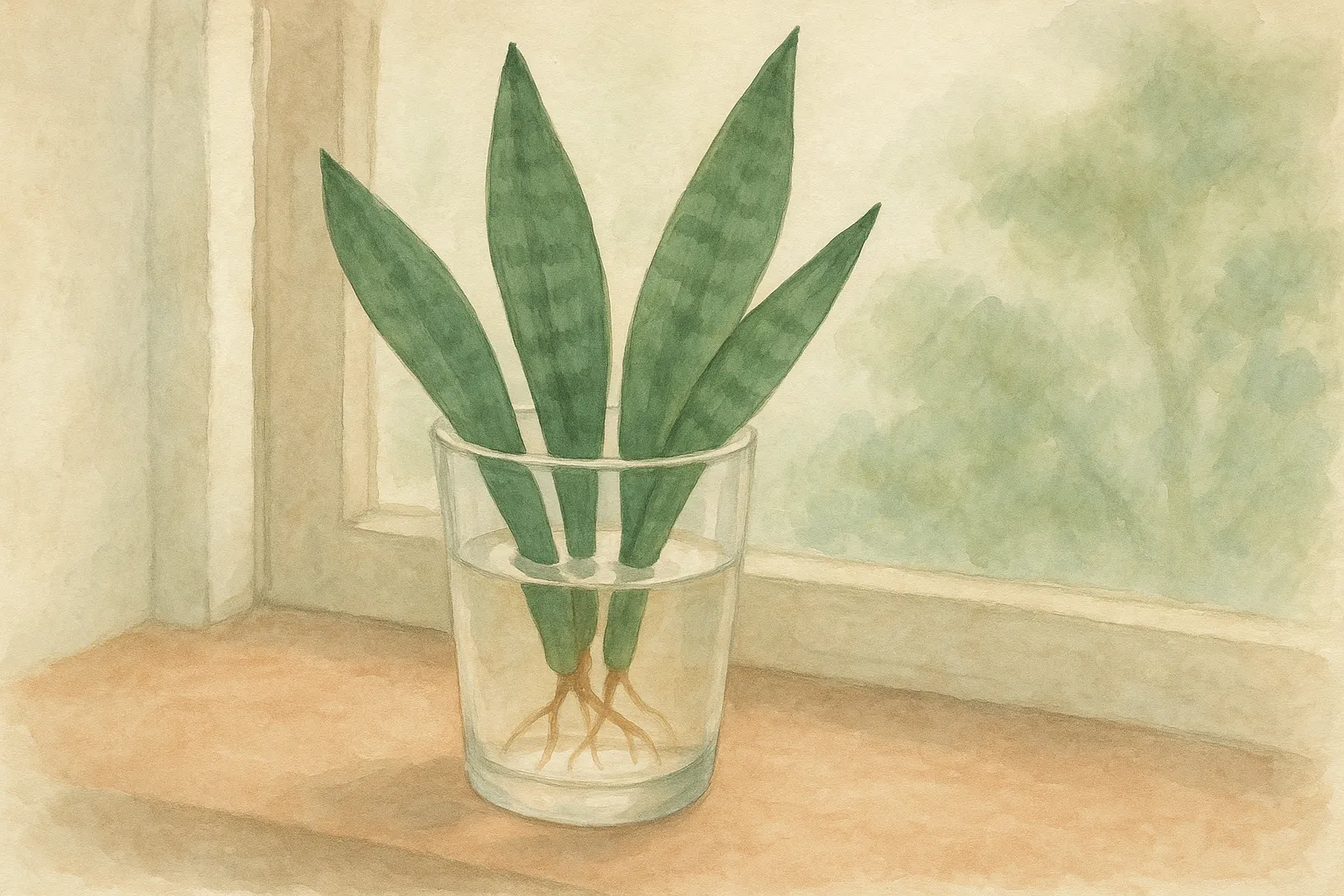
You can also cut a healthy leaf into several sections a few centimeters tall. Let the cut ends dry for a day or two, then stand them upright in soil the same way up they were growing. Roots and new pups will form over a couple of months. Note that variegated types often revert to plain green when grown from leaf cuttings, so use division if you want to keep the stripes.
Common problems and fixes
Mushy or falling leaves
Soft, yellowing, or collapsing leaves almost always mean overwatering and root rot. Let the soil dry out, cut away any mushy roots, and repot into fresh mix. Water far less going forward.
Wrinkled or curling leaves
Thin, wrinkled, or slightly curled leaves point to underwatering. Give the plant a thorough soak and it should plump back up within a few days.
Brown tips
Brown leaf tips often come from inconsistent watering or occasionally from tap water minerals. Keep your watering rhythm steady and let the soil dry fully between drinks.
Pests
Snake plants are rarely bothered, but keep an eye out for mealybugs and spider mites in dry conditions. Wipe them off and treat with insecticidal soap if they appear.
The takeaway
Give your snake plant bright indirect light if you can, plant it in fast-draining soil, and water it only when the soil is bone dry. Do that and this tough, sculptural plant will thrive for years with almost no effort, which is exactly why it has earned its reputation as the perfect beginner houseplant.