The best low-light houseplants for beginners
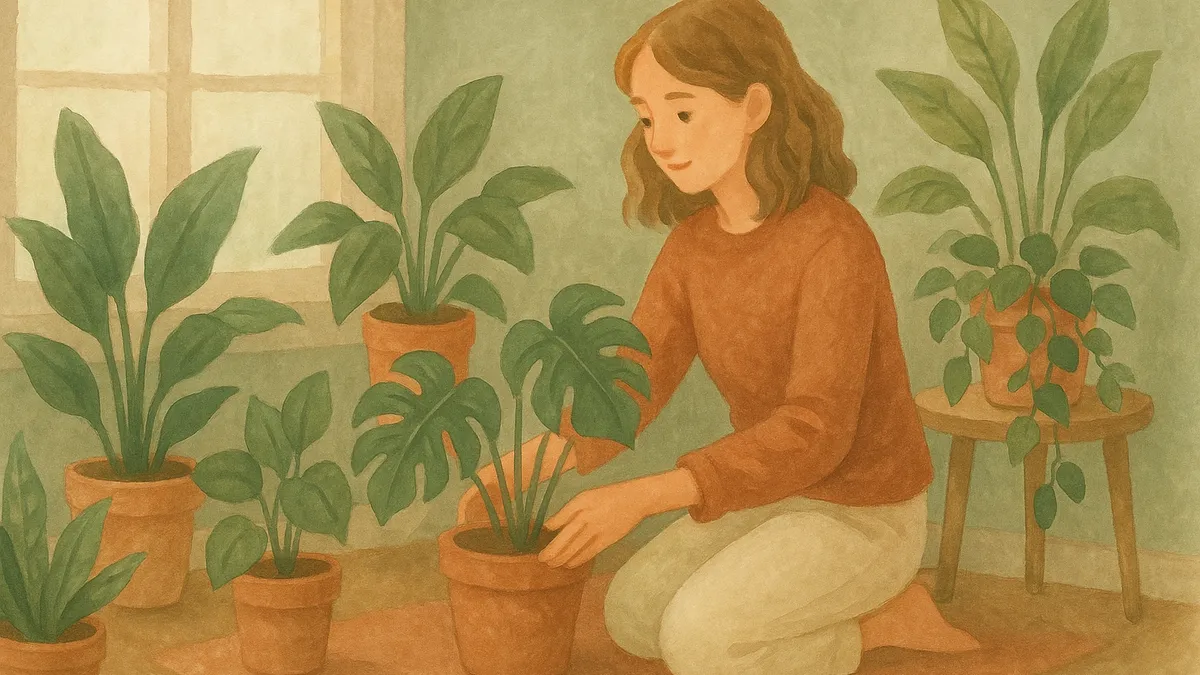
Not every home is bathed in sunshine. North-facing rooms, apartments hemmed in by other buildings, and hallways far from a window can all feel like tricky places to grow plants. The good news is that plenty of houseplants evolved on shady forest floors and cope beautifully with less light. Here are the best low-light options for beginners, and how to keep each one thriving.
First, what does “low light” really mean?
This is the single most important thing to understand: low light is not no light. Every plant needs light to photosynthesize and survive. A truly dark corner, where you could not comfortably read a book during the day, will slowly starve any plant.
“Low light” means a spot with indirect, ambient light: a few meters from a window, in a north-facing room, or somewhere that stays bright during the day without direct sun hitting the leaves. The plants below tolerate these conditions well, but even they will grow faster and look fuller with a bit more light. Think of low-light tolerance as a survival skill, not a preference.
The best low-light houseplants
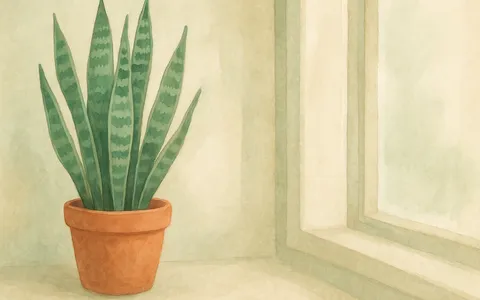
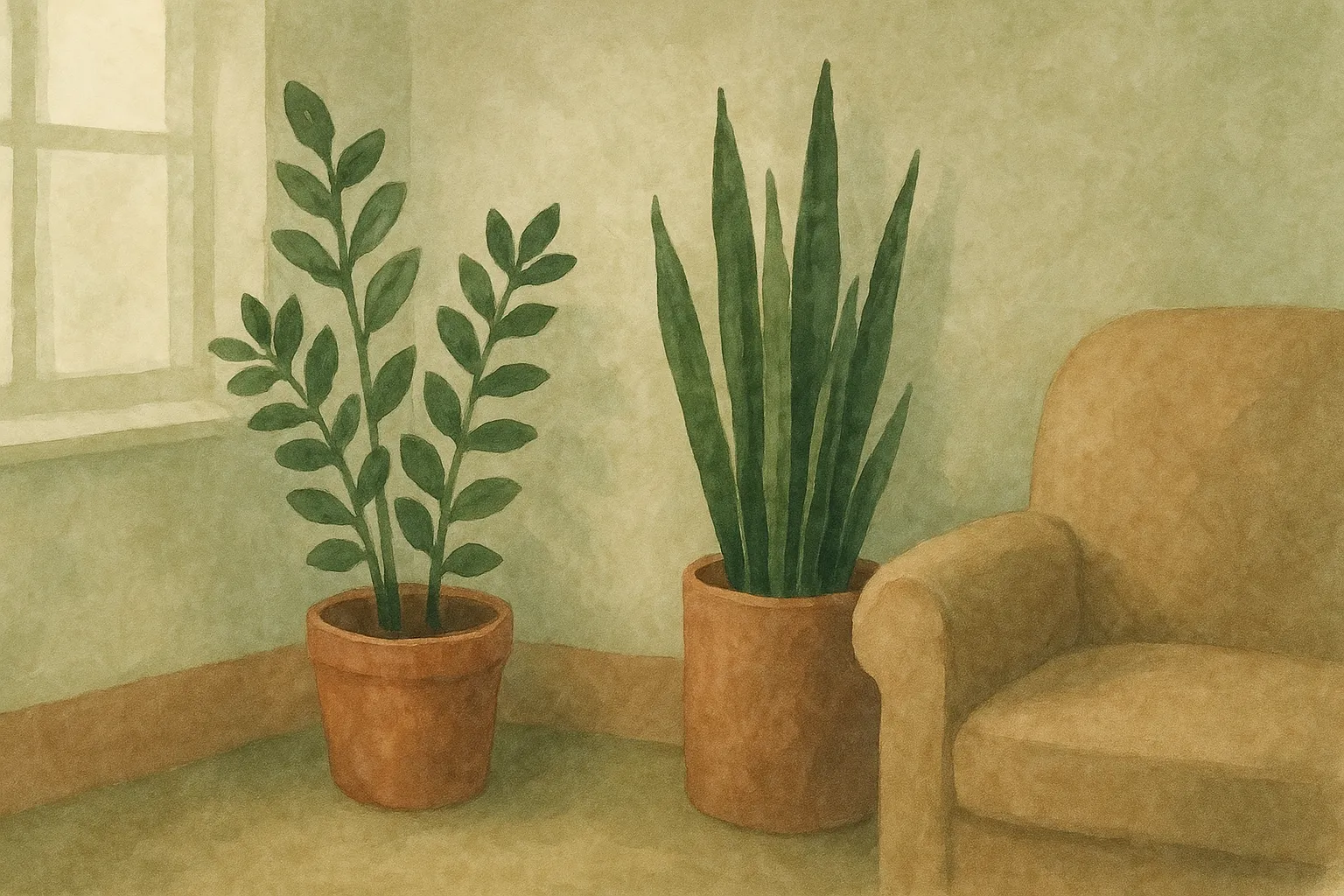
Snake plant (Sansevieria)
Almost impossible to kill, the snake plant survives dim corners and shrugs off neglect. Its upright, sculptural leaves store water, so it needs watering only when the soil dries out completely, roughly every few weeks. It copes with low light because it grows slowly and makes the most of what little it gets.
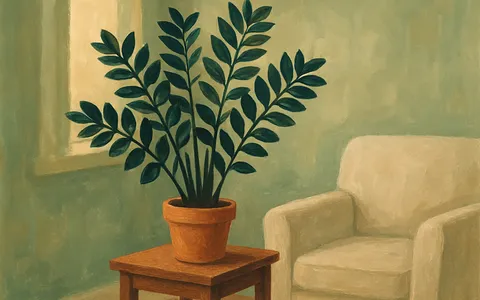
ZZ plant (Zamioculcas zamiifolia)
The ZZ plant has glossy, deep green leaves and thick underground rhizomes that store water and energy. Those reserves let it coast through low light and long gaps between waterings, making it one of the toughest plants you can own. Water only when the soil is dry, and it will forgive almost anything.
Pothos
Pothos are famously adaptable and grow in surprisingly dim spots, which is why they turn up in offices and bathrooms. In lower light they grow more slowly, and variegated types may fade toward plain green, but they keep going. Water when the top of the soil dries out, and trim the vines to keep them full.
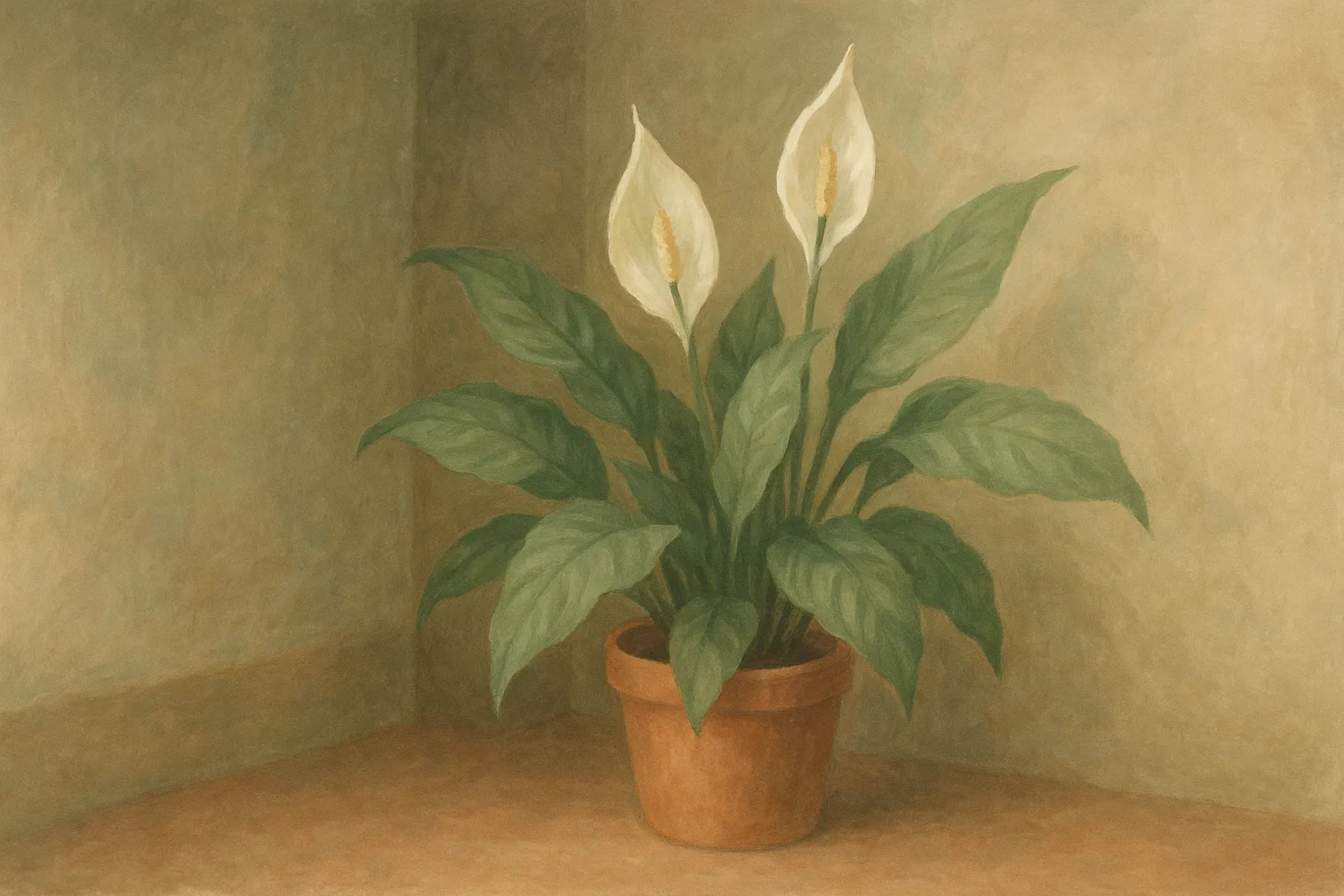
Peace lily (Spathiphyllum)
The peace lily is one of the few low-light plants that still flowers, producing elegant white blooms even away from a bright window. Its lush leaves cope with shade because it naturally grows on the forest floor. It likes slightly moist soil and dramatically droops when thirsty, then recovers within hours of watering, so it tells you exactly what it needs.
Cast iron plant (Aspidistra)
True to its name, the cast iron plant is nearly indestructible. It handles deep shade, temperature swings, and irregular watering without complaint. It grows slowly, so it rarely needs repotting, and its broad, arching leaves bring a calm, classic look to dim corners. This is the plant for the spot where nothing else will grow.
Chinese evergreen (Aglaonema)
With beautifully patterned leaves in silver, green, and sometimes pink, the Chinese evergreen brings color to shady rooms. Darker-leaved varieties tolerate the least light, while the pink and silver types prefer a bit more. Keep the soil lightly moist and away from cold drafts.
Heartleaf philodendron
A close cousin of pothos, this trailing philodendron has soft, heart-shaped leaves and the same easygoing nature. It grows well in low to moderate light, roots readily from cuttings, and looks lovely spilling from a shelf. Water when the top of the soil dries out.
Give low-light plants a quarter turn each week. In dim spots they lean hard toward the light, and rotating keeps their growth even and upright.
General care for low-light plants
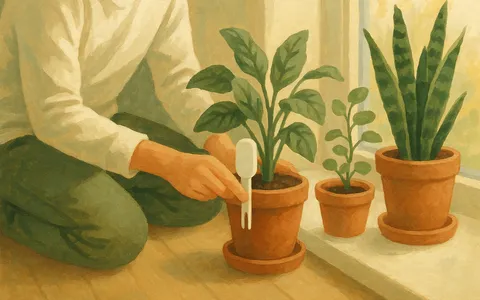
- Water less. Less light means slower growth and slower drying soil, so low-light plants need water far less often. Overwatering is the most common way to kill them, so always check that the soil has dried before watering again.
- Feed sparingly. Slow growth means low appetite. A light feed once or twice during spring and summer is plenty.
- Keep leaves clean. Dust blocks the little light these plants receive. Wipe the leaves with a damp cloth every few weeks so they can absorb as much as possible.
- Rotate occasionally. Turn the pot now and then so the plant grows evenly rather than leaning toward the brightest side.
- Consider a grow light. If a spot is genuinely too dark, an inexpensive LED grow light can make an otherwise impossible corner perfectly viable.
The takeaway
You do not need a sun-drenched windowsill to enjoy houseplants. Choose species built for shade, remember that low light still means some light, and above all water less than you think you should. Start with a snake plant or a ZZ plant, get a feel for their rhythm, and you will soon have greenery thriving in the darker corners of your home.