How often should you water your houseplants?
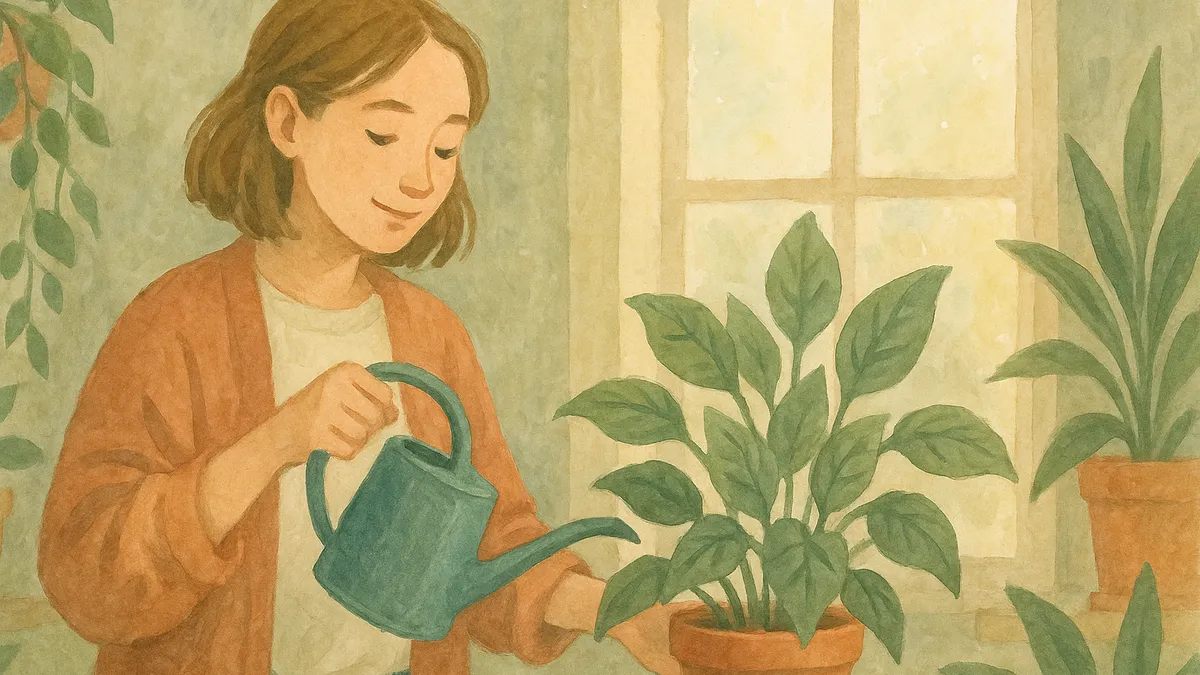
“How often should I water my plants?” is the most common question new plant owners ask, and the honest answer is: it depends. A fixed schedule like “every Sunday” ignores everything that actually determines a plant’s needs. The better approach is to learn what influences watering frequency and to read the plant and its soil instead of the calendar.
Why a fixed schedule fails
Watering on a strict weekly routine is convenient, but it treats every plant, pot, and season the same. In reality, the same plant might need water twice a week in a hot, bright summer and only once every two weeks in a cool, dim winter. Sticking to one schedule year-round is a fast route to either drought stress or root rot.
The factors that decide watering frequency
Plant type
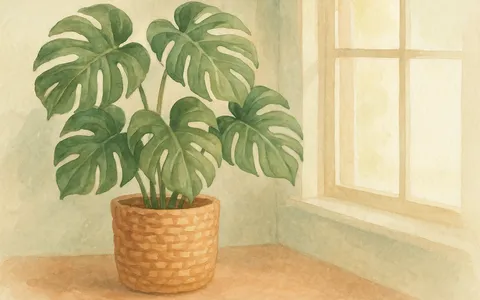
Different plants have wildly different needs. Succulents and cacti store water in their leaves and stems and want to dry out completely between waterings. Ferns and calatheas prefer consistently moist soil. Tropical foliage plants like pothos and monsteras sit somewhere in between. Always match your watering to the specific plant.
Light and temperature
The more light and warmth a plant receives, the faster it uses water and the quicker its soil dries. A plant in a bright, warm window will need water far more often than the same plant in a cool, shaded room.
Season
Most houseplants grow actively in spring and summer and rest in autumn and winter. During the resting period they use much less water, so you should water noticeably less often. Overwatering in winter is one of the most common seasonal mistakes.
Pot size and material
Small pots dry out quickly. Large pots hold moisture much longer. Terracotta is porous and lets soil dry faster, while plastic and glazed ceramic retain water. A big plastic pot and a small terracotta pot will need completely different watering rhythms.
Humidity and soil type
Higher humidity slows evaporation, so soil stays wet longer. A chunky, well-draining mix dries faster than a dense, moisture-retentive one. Both change how often you need to reach for the watering can.
Lift the pot before you water. A dry pot feels noticeably lighter, which is often more reliable than judging moisture by eye.
A reliable method: check, do not guess
Instead of counting days, check the soil directly. Here is a simple routine that works for most houseplants.
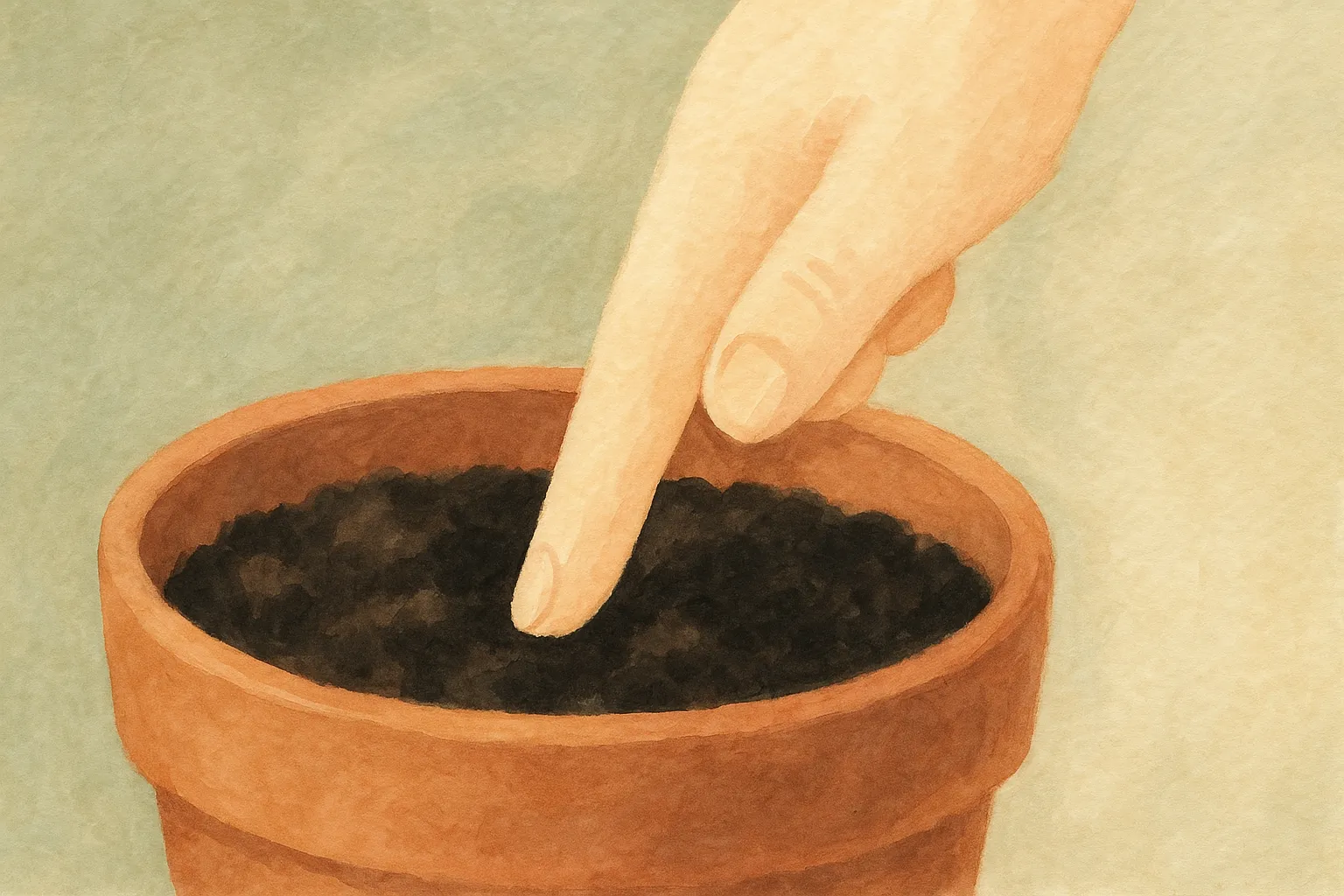
Use the finger test
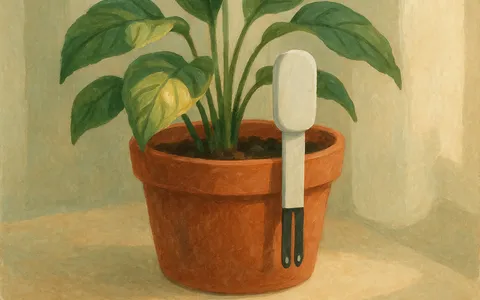
Push your finger about 3 to 5 cm into the soil. If it comes out dry, it is usually time to water. If it feels moist, wait and check again in a couple of days. For plants that like to dry out fully, wait until the soil is dry deeper down.
Feel the pot’s weight
A freshly watered pot is noticeably heavy, while a dry one is light. Lifting the pot quickly teaches you to feel the difference, and it is especially useful for plants you cannot easily poke.
Water thoroughly, then drain
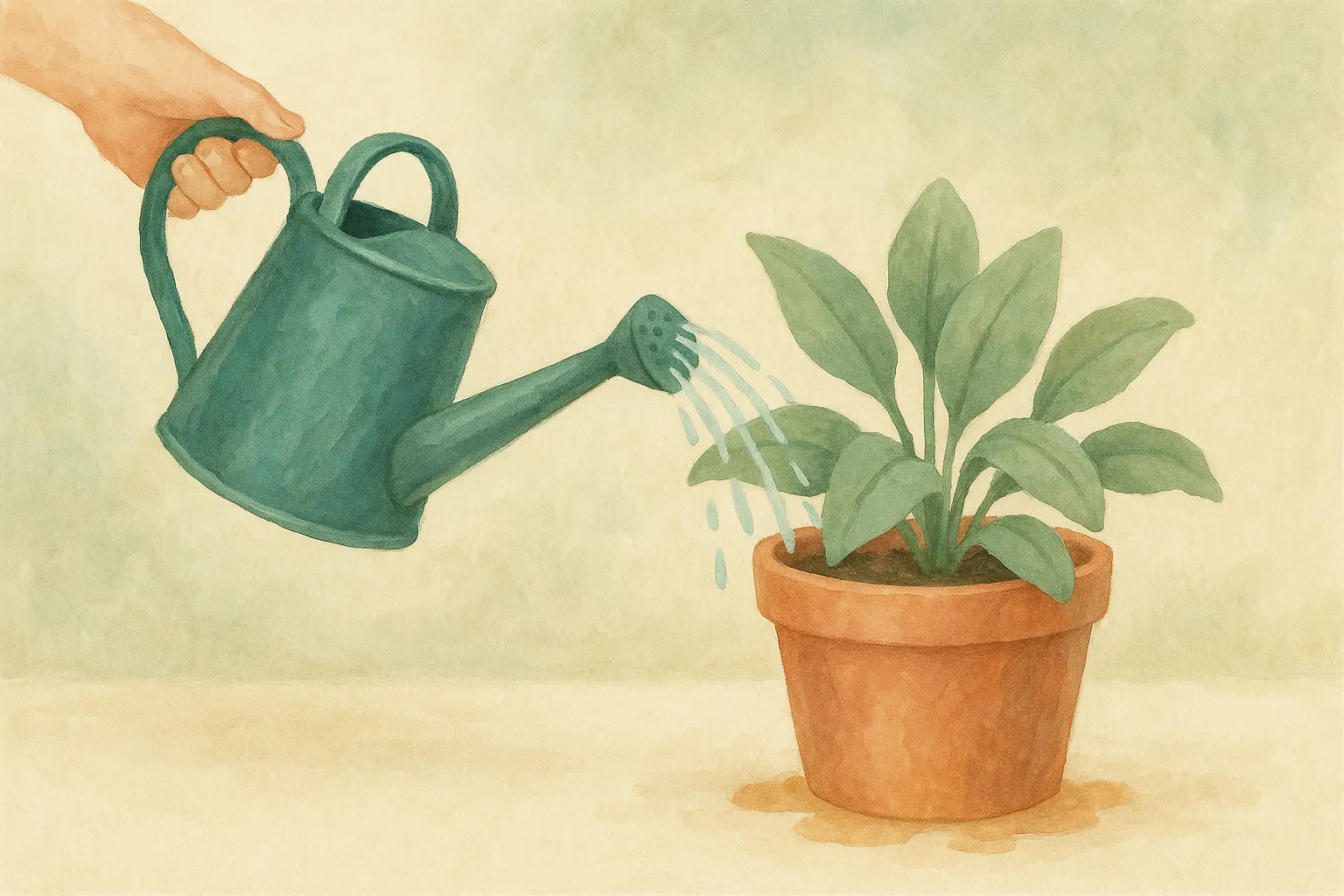
When it is time to water, do it properly. Add water until it drains freely from the bottom, making sure the whole root ball is moistened. Then let the pot drain completely and never let it stand in a saucer of water.
Rough starting points by plant type
Use these only as a starting guide, and always confirm with the soil check.
- Succulents and cacti: every 2 to 3 weeks, less in winter.
- Pothos, monstera, philodendron: roughly once a week when the top dries out.
- Ferns and calatheas: keep evenly moist, often every few days.
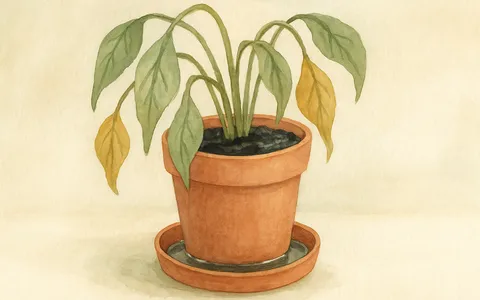
- Peace lily: water when the top dries. It will dramatically droop as a helpful reminder.
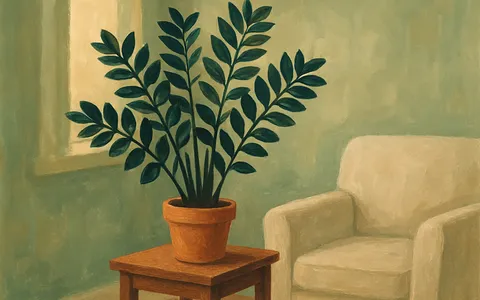
- Snake plant and ZZ plant: every 2 to 3 weeks. They tolerate neglect well.
Signs you are getting it wrong
If leaves turn soft and yellow and the soil stays wet, you are watering too often. If leaves go crispy, curl, or droop while the soil is bone dry, you are watering too little. Adjust and observe. Plants give clear feedback once you know what to look for.
The takeaway
There is no magic number of days between waterings. The right frequency depends on the plant, its light, the season, and its pot. Skip the fixed schedule, check the soil before every watering, and water thoroughly when the plant actually needs it. Do that, and you will water correctly no matter what you grow.